
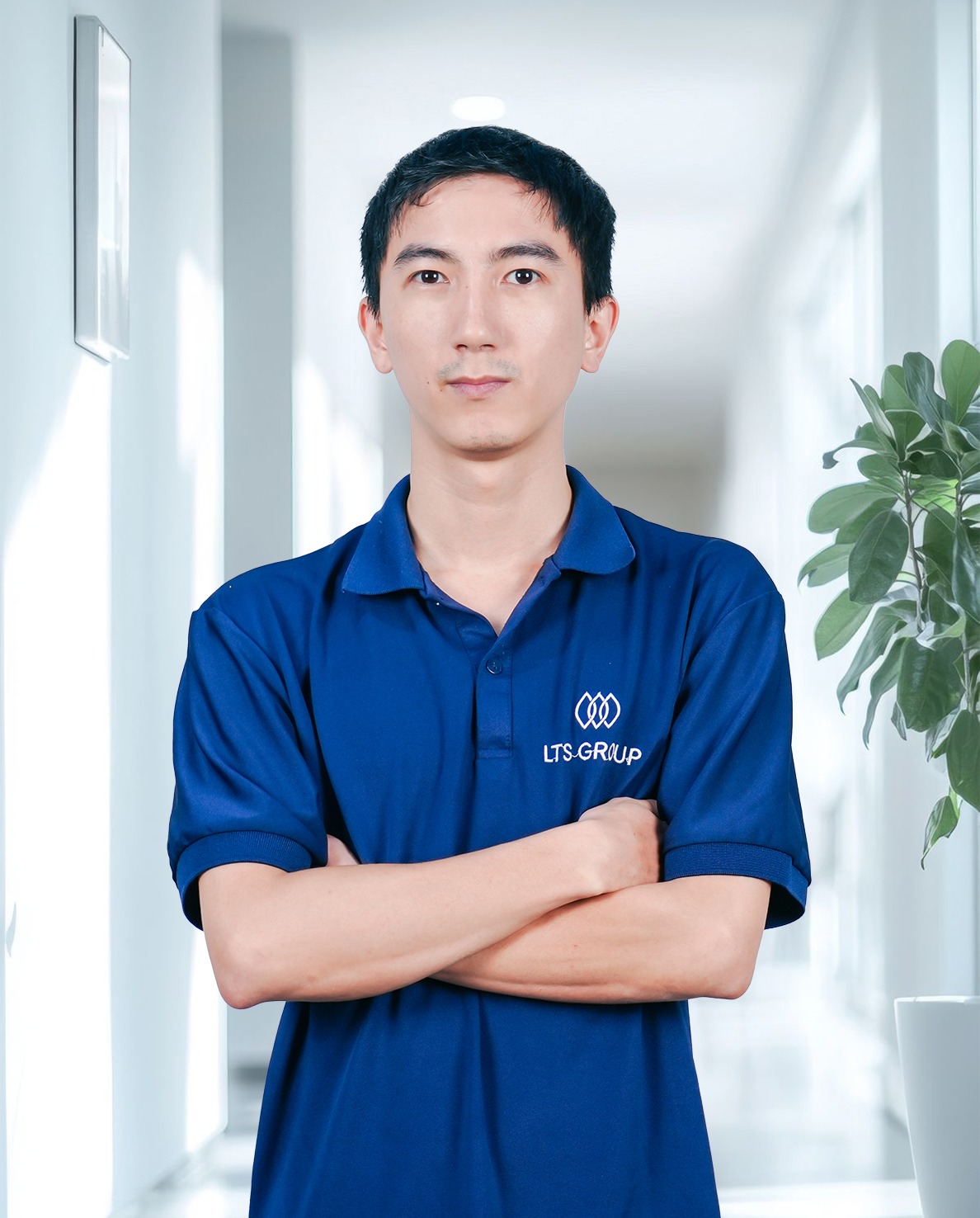
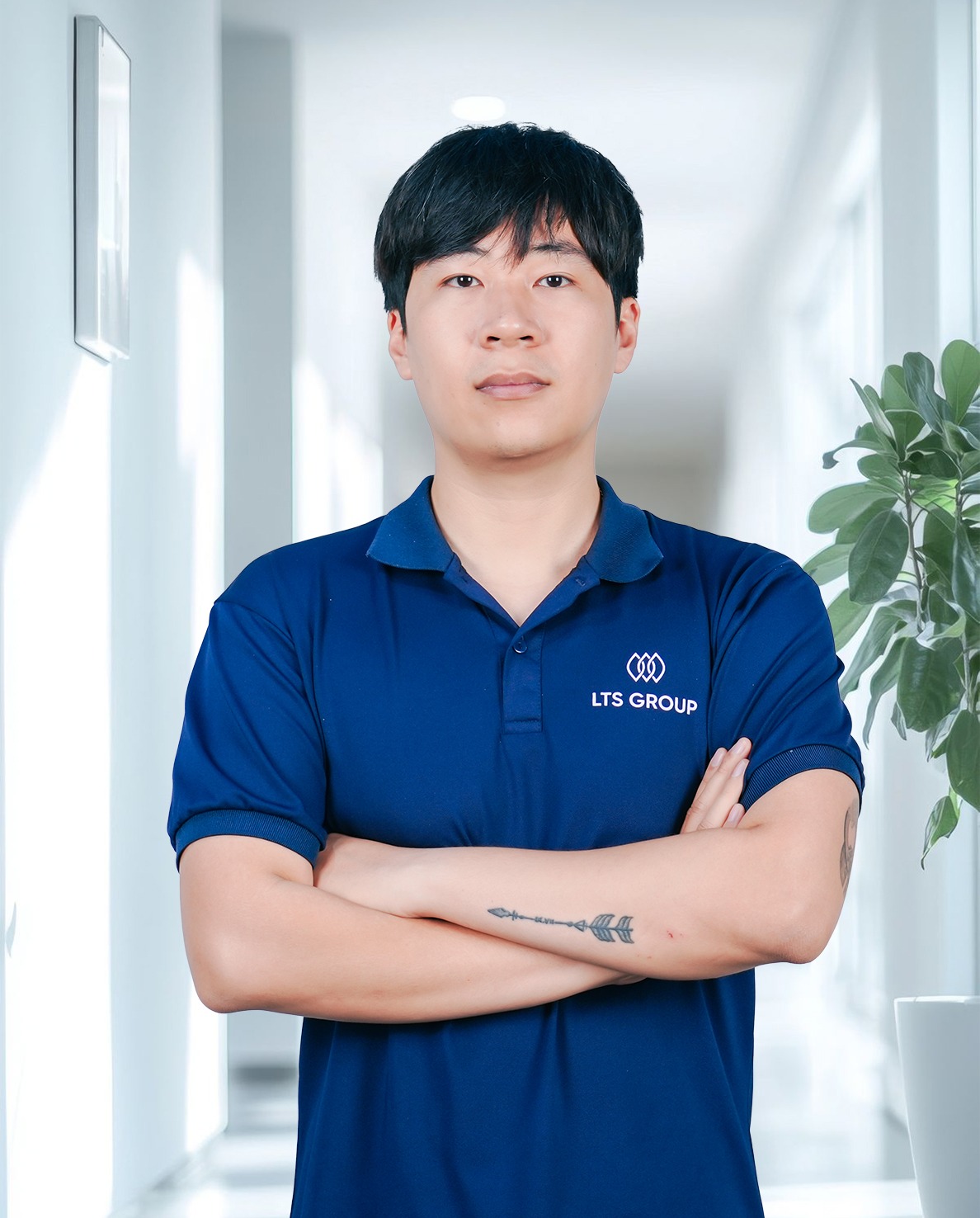
Ryan Le
Gen AI Manager
Coding, STEM & Engineering, Physical AI & Robotics





























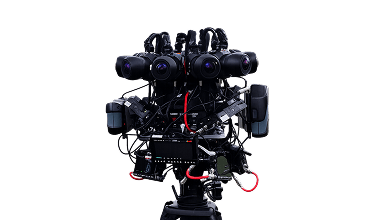
LQA builds high-quality datasets for Physical AI, Robotics, and Vision-Language-Action (VLA) models through multimodal data collection, egocentric and conversational dataset collection, teleoperation, kinematic, and trajectory data collection, motion capture (MOCAP) data collection.

LQA delivers precise annotations to train robot perception, manipulation, and decision-making systems, including 3D LiDAR labeling, object tracking, grasp point annotation, pose estimation, action segmentation, and temporal behavior understanding.

LQA evaluates and validates Physical AI datasets and model outputs through human-in-the-loop review, quality assurance workflows, edge-case analysis, and sequence-level validation to ensure reliability, consistency, and deployment readiness.
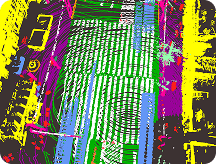
LiDAR Point Clouds & Radar
HD Maps

GPS/IMU

Spatial IoT Data & Geospatial Data

Multi-camera RGB Video
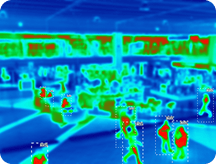
Multispectral & Thermal Imaging
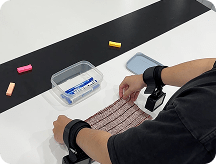
Teleoperation & Egocentric Recordings

UMI Multimodal Data

Force & Tactile Sequences
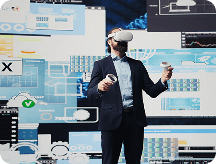
Simulation Outputs & Multimodal Embeddings
LiDAR Point Clouds & Radar
HD Maps
GPS/IMU
Spatial IoT Data & Geospatial Data
Multi-camera RGB Video
Multispectral & Thermal Imaging
Teleoperation & Egocentric Recordings
UMI Multimodal Data
Force & Tactile Sequences
Simulation Outputs & Multimodal Embeddings
Everyday living spaces for training embodied AI and humanoid robots in perception, navigation, and household tasks.

Fast-paced environments for learning manipulation, task execution, and human-centered service operations.

Retail environments for inventory handling, shelf interaction, product organization, and autonomous navigation.

Service-oriented environments that combine navigation, human interaction, and operational workflows.

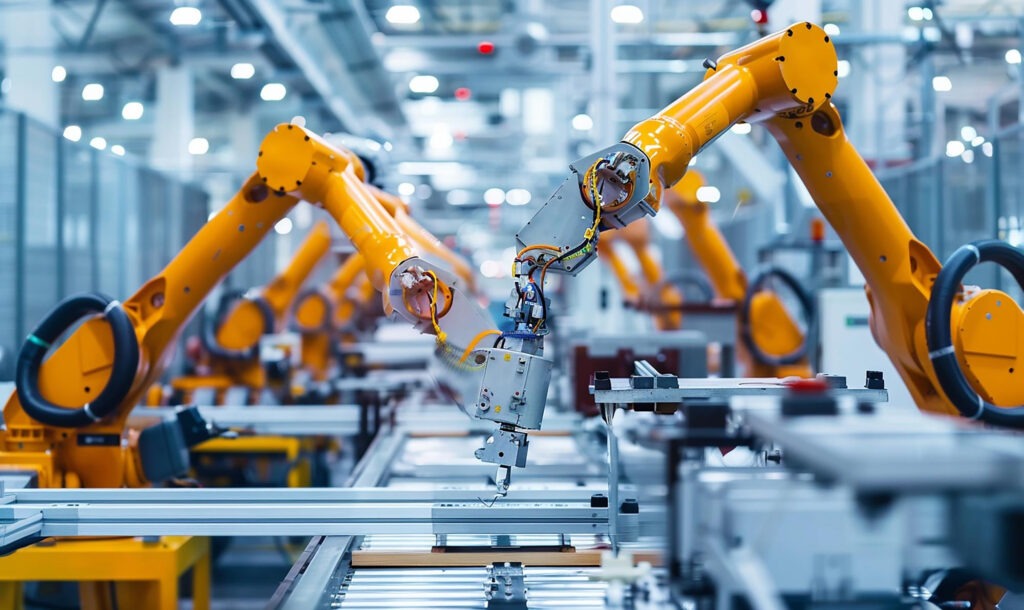
Complex production environments for robotic manipulation, inspection, assembly, and automation tasks.
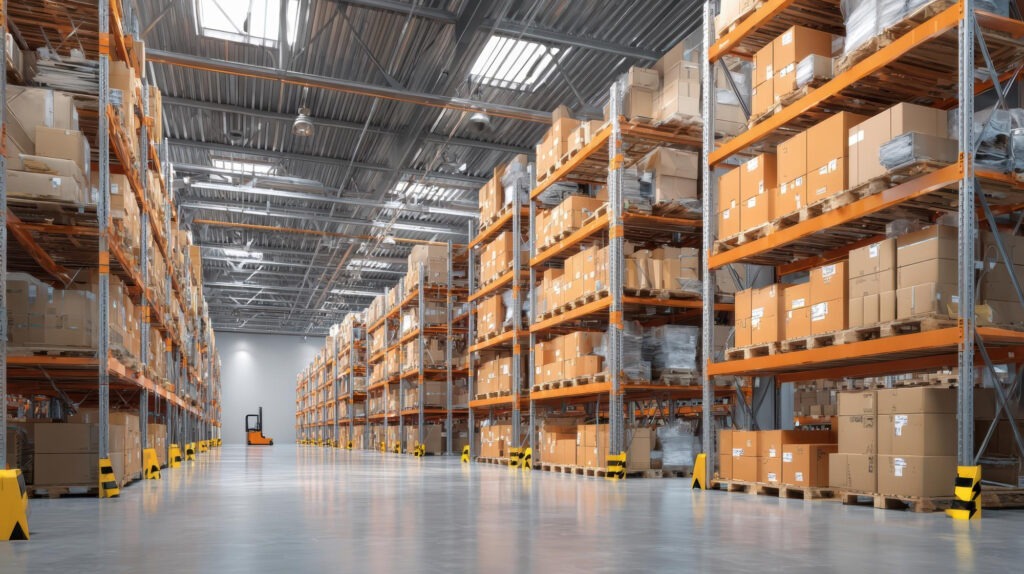
High-volume operational environments for picking, sorting, transportation, and autonomous navigation.
Real-world outdoor environments for autonomous mobility, monitoring, and field operations.

Precision-focused environments requiring reliable perception, task execution, and human-robot interaction.

LQA defines data requirements, task scenarios, environment conditions, and quality metrics based on your robotics and Physical AI objectives.
Specialized teams are assembled and trained on collection protocols, annotation guidelines, and validation standards to ensure project consistency.
We validate workflows through pilot tasks, refining instructions, quality criteria, and edge-case handling before scaling production.
LQA delivers multimodal data collection, annotation, and validation services with continuous quality control throughout the production lifecycle.
Our experts evaluate dataset quality and coverage, providing ongoing improvements to maximize model performance and deployment readiness.

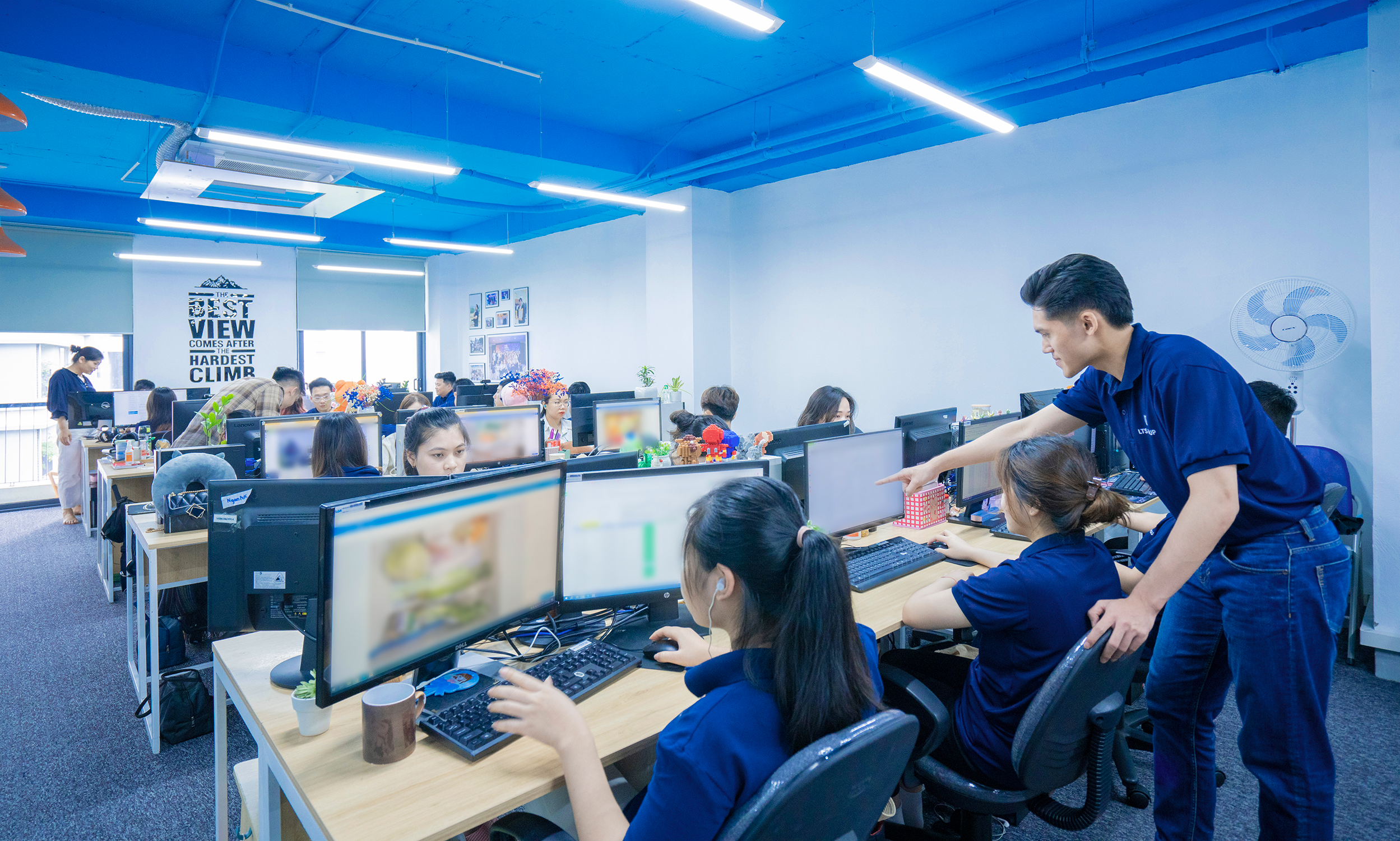
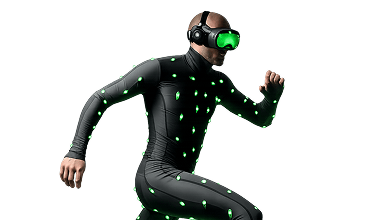
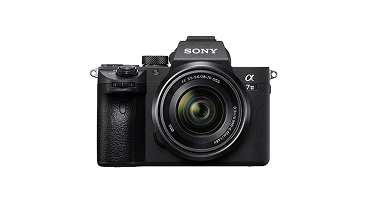
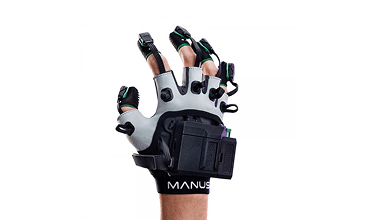
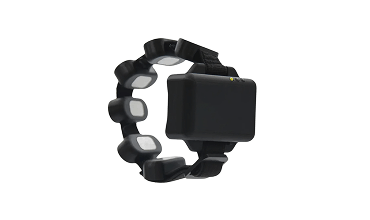































Every dataset undergoes rigorous validation and multi-level quality control to ensure reliable training data for Physical AI applications.

Our trained workforce supports complex annotation, motion capture, teleoperation, and evaluation tasks requiring human judgment and domain understanding.

We enable large-scale data collection across diverse environments, scenarios, and participant groups to improve model robustness and generalization.

Scale data operations quickly with dedicated teams, customized workflows, and transparent project management tailored to your requirements.
