










Functional & Gameplay Testing

Every mechanic, rule, and player action should work as intended. LQA tests gameplay flows to catch blockers, crashes, soft locks, broken progression, and player-facing issues in HTML5 games.
- Core mechanics, rules, objectives, and win/lose conditions
- Tutorial, onboarding, first-play flow, pause/resume, restart, and exit
- Level progression, scoring, rewards, inventory, achievements, and unlocks
- Save/load behavior, local storage, browser refresh, and session recovery
- Edge cases, crash points, soft locks, and reproducibility checks
Every mechanic, rule, and player action should work as intended. LQA tests gameplay flows to catch blockers, crashes, soft locks, broken progression, and player-facing issues in HTML5 games.
- Core mechanics, rules, objectives, and win/lose conditions
- Tutorial, onboarding, first-play flow, pause/resume, restart, and exit
- Level progression, scoring, rewards, inventory, achievements, and unlocks
- Save/load behavior, local storage, browser refresh, and session recovery
- Edge cases, crash points, soft locks, and reproducibility checks

HTML5 games can behave differently across browsers, devices, screen sizes, OS versions, and input methods. LQA tests real player environments to uncover issues single-browser checks may miss.
- Chrome, Safari, Edge, Firefox, Samsung Internet, and target browser versions
- Desktop, mobile, tablet, Chromebook, and selected in-app browser scenarios
- Responsive layout, orientation, viewport, scaling, safe areas, and full-screen behavior
- Mouse, keyboard, touch, gesture, and hybrid input checks
- iOS Safari, Android browser, and low-end device behavior when applicable
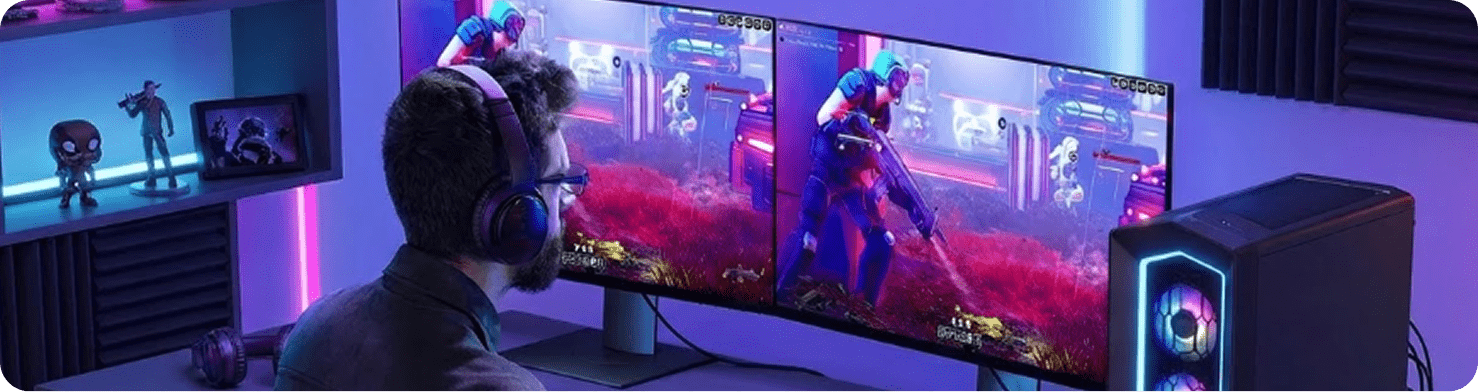
Visual bugs can make browser games feel broken even when the code still runs. LQA reviews the gameplay screen players actually see, including rendering, sprites, UI layers, animations, effects, and visual states.
- Canvas/WebGL rendering, sprite alignment, scaling, animation, and frame states
- UI overlays, HUD, menus, popups, rewards, and visual feedback
- Texture loading, shader behavior, flicker, black screens, and broken assets
- Resolution, pixel density, aspect ratio, and browser zoom behavior
- Visual mismatches between expected and actual game states

HTML5 game launches often depend on portal-specific rules. LQA checks SDK events, ads, monetization flows, and integration behavior to support smoother submission and distribution for web browser and instant games.
- SDK initialization, loading events, gameplayStart/gameplayStop, and event timing
- Commercial break, rewarded ad, fallback, and no-ad scenarios
- Audio pause/resume before and after ads
- Reward validation, ad blocker behavior, and duplicate reward risks
- Portal-specific checks for Poki, CrazyGames, Y8, Facebook/Instagram, Telegram Mini Apps, or other target channels when included in scope

A game can load but still lose players through slow first play, frame drops, input delay, memory pressure, or long-session instability. LQA tests the conditions that affect playability, responsiveness, and retention.
- Initial load time, time-to-gameplay, asset loading, and scene transitions
- FPS stability, stutter, freezing, visual hitching, and long-session degradation
- CPU, GPU, memory, storage, cache, and battery-sensitive scenarios when applicable
- Input responsiveness for tap, swipe, click, keyboard, and repeated actions
- Low-end device and weak network checks based on target player environments

Browser audio policies and input behavior can disrupt the first session before players reach the core loop. LQA checks first tap, audio unlock, controls, onboarding, and player guidance across target environments.
- First tap/click behavior and audio unlock flow
- Background music, SFX, mute/unmute, pause/resume, and tab switching
- Keyboard, mouse, touch, gesture, and mobile control behavior
- Tutorial clarity, control hints, onboarding, and skippable intro checks
- Browser refresh, back button, inactive tab, and active tab behavior

Connected HTML5 games need stable sessions, backend communication, recovery flows, and real-time interactions across browsers and networks. LQA tests scenarios that can interrupt live gameplay, online browser games, or multiplayer browser games.
- Login, account connection, session handling, and reconnect flow
- Multiplayer rooms, invite links, matchmaking, leaderboards, sync, and timeout behavior
- Weak network, disconnect, retry, and recovery scenarios
- Backend response, error messaging, data sync, and interrupted-session recovery
- Social, embedded platform, or portal-specific session behavior when applicable























Client Input

- 1.
- Game build, URL, staging link, or package file

- 2.
- Target browsers, devices, portals, and release channels
- 3.
- Game design notes, known issues, test priorities, and deadline
- 4.
- SDK/ads requirements, portal checklist, and analytics events when applicable
- 5.
- Bug tracker, report format, severity rules, and communication preferences
Step-by-step

Scope alignment and HTML5 risk review

Browser, device, and channel matrix setup

Test plan, test cases, and environment preparation

Functional, compatibility, visual, SDK, performance, and network testing

Bug reporting with evidence, environment details, and reproduction steps

Fix verification, regression testing, and risk review

Release-readiness summary and next-build recommendations
LQA Output

- Test scope, schedule, and browser/device/channel coverage
- Test scenarios, checklist, and execution summary
- Bug reports with steps, screenshots/videos, logs, severity, and affected environments
- BSDK, ads, and portal-readiness notes when included in scope
- Retest results, regression notes, and unresolved-risk summary
- Final QA report with release recommendations
















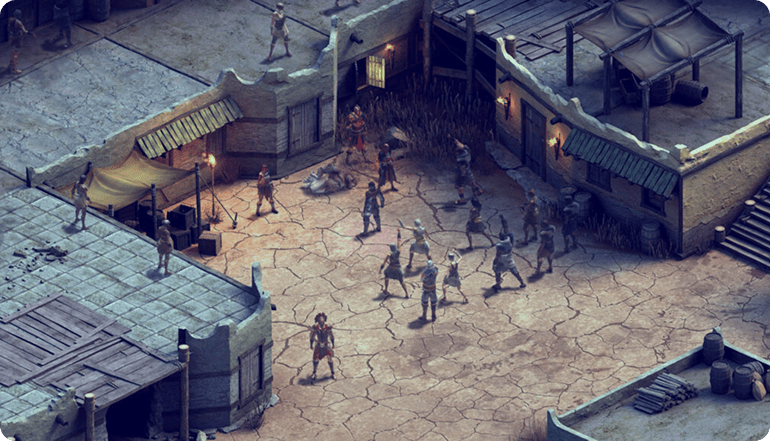

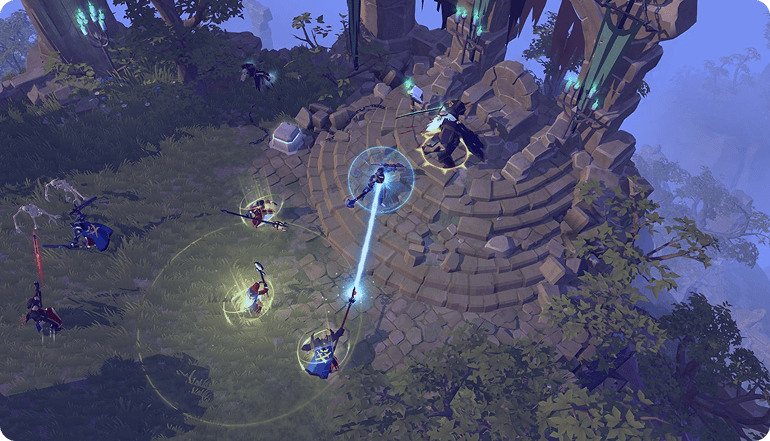
- Blockchain
- Casual
- First-person Shooter (FPS)
- PvE & PvP Battling
- Racing
- Real-time Strategy (RTS)
- Role-playing Game (RPG)
- Survival
- Massively Multiplayer Online Role-Playing Game (MMORPG)

HTML5-specific QA Expertise
LQA tests beyond standard web flows, covering gameplay logic, Canvas/WebGL rendering, SDK events, ads, loading, audio, input, and browser-specific behavior.

Browser & Real Environment Coverage
LQA plans test coverage around your target browsers, devices, screen sizes, OS versions, and input methods to catch issues single-browser checks may miss.

Portal-readiness Awareness
LQA checks portal-facing risks early, from SDK integration and ads to loading events, gameplay events, file size, and monetization behavior.

Actionable Bug Reporting
LQA reports issues with clear reproduction steps, affected environments, screenshots or videos, severity, logs when available, and retest status.

Secure Build Handling
LQA supports controlled access, NDA-based workflows, agreed communication channels, and secure handling of unreleased builds, test accounts, and project files.

Scalable QA Capacity
Scale QA support up or down for prototypes, portal submissions, campaign launches, live updates, patches, and regression cycles.
HTML5-specific QA Expertise
LQA tests beyond standard web flows, covering gameplay logic, Canvas/WebGL rendering, SDK events, ads, loading, audio, input, and browser-specific behavior.
Browser & Real Environment Coverage
LQA plans test coverage around your target browsers, devices, screen sizes, OS versions, and input methods to catch issues single-browser checks may miss.
Portal-readiness Awareness
LQA checks portal-facing risks early, from SDK integration and ads to loading events, gameplay events, file size, and monetization behavior.
Actionable Bug Reporting
LQA reports issues with clear reproduction steps, affected environments, screenshots or videos, severity, logs when available, and retest status.
Secure Build Handling
LQA supports controlled access, NDA-based workflows, agreed communication channels, and secure handling of unreleased builds, test accounts, and project files.
Scalable QA Capacity
Scale QA support up or down for prototypes, portal submissions, campaign launches, live updates, patches, and regression cycles.

Project-based Model
Fixed-scope HTML5 game QA for prototypes, release candidates, portal submissions, campaign builds, or pre-launch validation. LQA manages the test cycle so your team can validate gameplay, browser compatibility, SDK risks, performance, and regression within a defined timeline.
Best for
- Alpha, beta, soft launch, or full release
- Fixed scope and timeline
- Defined feature coverage
- Teams with limited internal QA bandwidth
Time & Material Model
Flexible QA support based on changing build priorities, bug volume, portal feedback, release plans, or live update schedules. LQA adjusts scope, coverage, and QA capacity as your HTML5 game testing solutions need to evolve.
Best for
- Hotfixes and frequent update cycles
- Changing or uncertain scope
- Short-term testing spikes
- Fast-moving release plans

Dedicated Specialist Capacity Model
A dedicated HTML5 game QA specialist or team works alongside your project for ongoing testing, regression cycles, browser/device coverage, SDK checks, and content expansion. This model builds deeper product knowledge over time.
Best for
- Long-term game QA support
- Recurring QA demand
- Stable QA ownership across releases
- Titles with continuous updates or LiveOps activity