










Functional & Gameplay Testing
Every mechanic, system, and player action should work as intended. LQA tests functional flows to catch gameplay bugs, blockers, crashes, soft locks, and progression issues before release.
- Core gameplay mechanics, rules, objectives, and win/loss conditions
- Quest, mission, level, tutorial, and progression flows
- Save/load behavior, checkpoints, autosave, and game-state recovery
- Inventory, rewards, achievements/trophies, unlocks, crafting, skills, and economy logic
- Menu, HUD, settings, pause, restart, exit, and navigation behavior
- Crash, freeze, soft-lock, blocker, and reproducibility checks
Compliance & Pre-Submission Testing
Console releases must meet platform-specific requirements before submission. LQA checks pre-submission scenarios to help teams spot compliance risks early and reduce last-minute blockers.
- TRC, XR/TCR, Lot Check, and platform-specific checklist support
- Controller disconnect/reconnect, input prompts, button icons, and platform terminology
- Account, profile, parental control, privacy, permissions, and user-switching flows
- Suspend/resume, offline/online behavior, network interruption, and recovery handling
- Save data, storage access, entitlement, DLC, add-on, and purchase flows when applicable
- Pre-submission bug review, retesting, and regression support before certification
Performance & Stability Testing
A console game can function correctly but still lose players through frame drops, long loading, crashes, or performance degradation. LQA tests the conditions that affect stability, responsiveness, and release confidence.
- FPS stability, frame drops, stutter, freezing, crashes, and visual hitching
- Loading time, scene transitions, shader compilation, and asset streaming
- CPU, GPU, memory, storage, and long-session stability checks
- Performance degradation after extended gameplay sessions
- Heavy gameplay scenarios with dense enemies, effects, objects, physics, or online players
- Graphics modes, resolution, HDR, display, and quality/performance preset checks
Networking & Multiplayer Testing
Online console games rely on stable sessions, reliable matchmaking, smooth recovery flows, and consistent backend communication. LQA tests the multiplayer scenarios that can disrupt live gameplay.
- Login, account connection, session handling, and server connection behavior
- Matchmaking, lobby, party invite, ready-check, reconnect, and recovery flows
- Co-op, PvP, cross-play, cross-progression, and online gameplay states when applicable
- Latency, packet loss, weak network, timeout, disconnect, and retry scenarios
- Leaderboards, friends, chat, voice, player profiles, and social features when applicable
- Backend response, error messaging, data sync, and interrupted-session recovery
Compatibility & Environment Testing
Console players use different hardware generations, controllers, displays, storage states, and system-level features. LQA tests real console environments to uncover issues standard development checks may miss.
- PlayStation, Xbox, and Nintendo Switch coverage based on project scope and build access
- Current-gen and previous-gen console behavior when supported
- Controller types, multiple controllers, vibration, haptics, and adaptive triggers when applicable
- TV/display modes, safe area, resolution, HDR, aspect ratio, and audio output checks
- Docked/handheld mode checks for Nintendo Switch when applicable
- Sleep mode, rest mode, Quick Resume, user switching, storage limits, and system UI interactions
Localization, Storefront & Accessibility Testing
Console quality also depends on how clearly players understand, access, and navigate the game across languages, regions, storefronts, and accessibility settings. LQA checks player-facing content and usability risks that can affect launch readiness and player experience.
- UI text overflow, truncation, subtitle readability, font rendering, and language switching
- Locale-specific formats, terminology, button prompts, and platform naming consistency
- Storefront text, product descriptions, DLC/add-on labels, regional content, and age-rating notes when included in scope
- Accessibility options, subtitle settings, input remapping, readability, contrast, and basic usability checks
- First-time user flow, onboarding clarity, error messages, and player guidance
- Regional release-readiness notes and player-facing quality feedback






Client Input

- 1.
- Application URL, test build, or environment access
- 2.
- Source code and existing automation suite, if available
- 3.
- Critical user flows, test cases, and known risks
- 4.
- Target browsers, operating systems, and environments
- 5.
- Test accounts, user roles, authentication, and test data
- 6.
- CI/CD setup, reporting needs, and communication channels
- 7.
- Security and access requirements
Step-by-step

Align scope and assess automation risks

Plan coverage, browser matrix, and framework architecture
Run a pilot or proof of concept

Set up the Playwright framework and CI/CD pipeline

Automate tests based on business priorities

Stabilize the suite and investigate root causes

Hand over the solution or provide ongoing maintenance
LQA Output

- Test plan, scope, schedule, and platform coverage notes
- Test scenarios, checklists, and test data summary
- Console/platform setup details
- Bug reports with reproduction steps, evidence, logs, severity, and affected flows
- Retest results, regression notes, and unresolved-risk summary
- Final QA report with release recommendations







Console-focused QA Expertise
LQA tests beyond generic gameplay bugs, covering console-specific behavior, platform expectations, player flows, and release risks that can affect submission readiness.

Early Compliance Awareness
Platform requirements are considered early in the QA scope, helping teams avoid last-minute certification surprises and repeated submission cycles.

Clear QA Ownership & Reporting
Each project has clear QA coordination, structured communication, evidence-based bug reports, and reporting cycles so your team knows what is tested, fixed, retested, or still at risk.
Secure Build Handling
LQA supports controlled access, NDA-based workflows, agreed communication channels, and secure handling of unreleased builds and project data.
Scalable QA Capacity
Scale QA support up or down for milestone builds, release candidates, certification preparation, live updates, patches, or urgent regression cycles.
Console-focused QA Expertise
LQA tests beyond generic gameplay bugs, covering console-specific behavior, platform expectations, player flows, and release risks that can affect submission readiness.
Early Compliance Awareness
Platform requirements are considered early in the QA scope, helping teams avoid last-minute certification surprises and repeated submission cycles.
Clear QA Ownership & Reporting
Each project has clear QA coordination, structured communication, evidence-based bug reports, and reporting cycles so your team knows what is tested, fixed, retested, or still at risk.
Secure Build Handling
LQA supports controlled access, NDA-based workflows, agreed communication channels, and secure handling of unreleased builds and project data.
Scalable QA Capacity
Scale QA support up or down for milestone builds, release candidates, certification preparation, live updates, patches, or urgent regression cycles.

Project-based Model
Fixed-scope console QA for defined builds, milestones, release candidates, or pre-submission testing. LQA manages the test cycle so your team can validate gameplay, compliance risks, performance, and regression with clear deliverables.
Best for
- Alpha, beta, soft launch, or full release
- Fixed scope and timeline
- Defined feature coverage
- Teams with limited internal QA bandwidth
Time & Material Model
Flexible QA support based on changing build priorities, bug volume, release plan, or certification timeline. LQA adjusts scope, coverage, and QA capacity as project needs change.
Best for
- Hotfixes and frequent update cycles
- Changing or uncertain scope
- Short-term testing spikes
- Fast-moving release plans

Dedicated Specialist Capacity Model
A dedicated console QA specialist or team works alongside your project for ongoing testing, regression cycles, platform updates, and market expansion. This model builds deeper product knowledge over time.
Best for
- Long-term game QA support
- Recurring QA demand
- Stable QA ownership across releases
- Titles with continuous updates or LiveOps activity






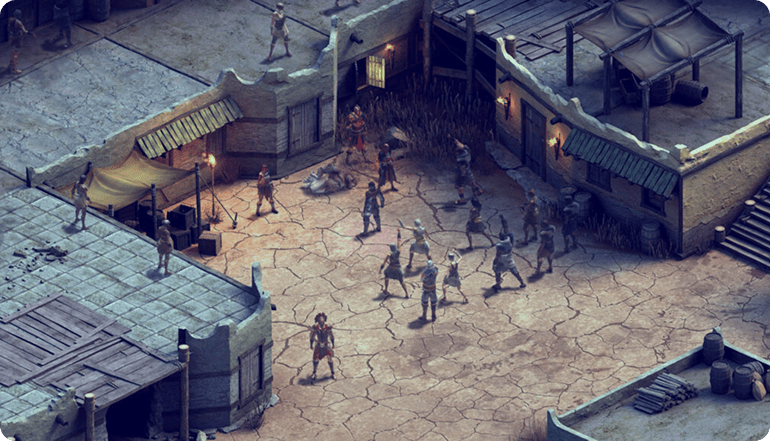

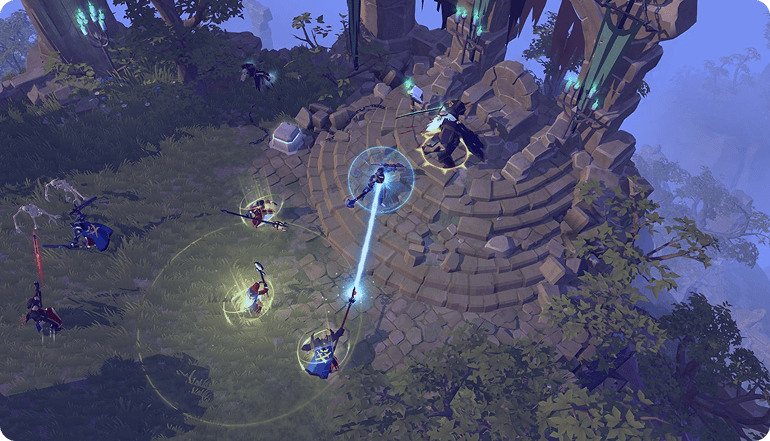
- Blockchain
- Casual
- First-person Shooter (FPS)
- PvE & PvP Battling
- Racing
- Real-time Strategy (RTS)
- Role-playing Game (RPG)
- Survival
- Massively Multiplayer Online Role-Playing Game (MMORPG)