










Gameplay & Functional QA
A mobile game needs to work smoothly across real player journeys, not just isolated test cases. LQA checks core gameplay flows to catch broken logic, blockers, and regressions before they reach players.
- Core gameplay loops, tutorials, missions, and progression checks
- Login, guest flow, account binding, and session continuity validation
- Rewards, inventory, achievements, leaderboards, and event logic testing
- Save/load, unlock, quest state, and abnormal input checks
- Regression testing for patches, updates, and high-risk feature changes
Compatibility & Display QA
Mobile players use different devices, OS versions, screen sizes, and hardware setups. LQA validates how your game looks and works across real mobile environments to catch device-specific issues early.
- iOS and Android device compatibility testing
- OS version, chipset, RAM, and device-tier checks
- Screen size, resolution, notch, orientation, and aspect-ratio validation
- UI clipping, overlap, scaling, and layout consistency review
- Install, update, launch, and perform critical-feature checks on target devices
Performance & Load QA
A game can launch successfully but still feel slow during real gameplay. LQA checks performance under device and usage conditions that may expose frame drops, crashes, loading issues, or bottlenecks.
- FPS, frame time, stutter, startup, and loading checks
- CPU, GPU, memory, battery, and device heat monitoring
- Crash, ANR, freeze, and long-session stability checks
- Performance comparison across low-end, mid-range, and flagship devices
- Load and spike-readiness testing for launches, events, and major updates
Network & Multiplayer QA
Online and multiplayer features often fail when networks become unstable. LQA tests how your game handles weak connections, network switching, backend response, and player-session continuity.
- Login, matchmaking, room creation, reconnect, and rejoin checks
- Latency, jitter, packet loss, disconnect, and weak-network scenarios
- 4G/5G, Wi-Fi, network switching, and background-state validation
- Multiplayer sync, chat, invite, session stability, and state consistency checks
- Server connectivity and regional network behavior checks when needed
Localization & Regional Readiness QA
Global gamers expect the game to feel clear, natural, and usable in their market. LQA checks language, layout, locale behavior, and regional experience beyond basic translation accuracy.
- UI text, truncation, overlap, missing translation, and text overflow checks
- Terminology, context, tone, and in-game wording consistency review
- Currency, number, date, time, and regional format validation
- RTL, special characters, font rendering, and locale-specific UI behavior
- Regional storefront, market, and launch-readiness checks when in scope
Monetization & Ad Flow QA
Revenue flows leave little room for error. LQA tests IAP, ads, rewards, and subscription paths to help prevent lost revenue, broken rewards, and poor player experience.
- Consumable, non-consumable, subscription, and restore-flow testing
- Purchase success, cancel, refund, pending, renewal, and failed-payment scenarios
- Rewarded ads, interstitial ads, app-open ads, and ad trigger validation
- Reward delivery, currency balance, item grant, and post-ad behavior checks
- Regional price, storefront, currency, and payment-method checks when needed











iOS Mobile Gaming Platforms
High-range
• Apple iPhone 17 Pro Max - 17 Pro
• Apple iPhone 16 Pro Max - 16 Pro
Standard-range
• Apple iPhone 17
• Apple iPhone 16 Plus - 16
• Apple iPhone Air

Android Mobile Gaming Platforms
High-range
• Vivo X300
• Oppo Find X9
• Samsung Galaxy S26 Ultra & S25 Ultra
• Samsung Galaxy A36 5G
• Xiaomi 15T
Standard-range
• Samsung Galaxy A16 5G
• Samsung Galaxy A13
• TCL Flip 4 5G

Tablet Gaming Platforms
Tablet
• iPad Mini - iPad Gen - iPad Air & Pro with M-chips
• Samsung Galaxy Tab A & S Series
• Fire 7 - Fire HD 10
• Xiaomi Pad 7 - Xiaomi Pad 8 Pro







Client Input

- 1.
- Project size, game genre, current stage of development

- 2.
- Target platform, markets, devices, and OS versions
- 3.
- Testing types and testing scopes for the project
- 4.
- Build distribution methods, test accounts, and testing environments
- 5.
- GDD/requirements, test cases, issue logs, crash logs, and player feedback
- 6.
- GM tool, event setup, backend tracking, and IAP/ad setup access if needed
Step-by-step

Scope Alignment

Coverage Planning

Environment Setup

Test Execution

Bug Reporting

Retest & Release Review
LQA Output

Test artifacts your team can review, not just a promise that testing happened
- Detailed daily and end-of-testing round reports with progression of each testing items, highlighting issues with high severity
- Reproducible bug reports with steps, visual evidences, notes, device details and logs
- A release-risk summary focused on player-impacting issues
- Retest and regression evidence after fixes

Player-focused Mobile Game QA Expertise
Mobile game issues go beyond functional bugs. LQA’s QA specialists assess gameplay flows, device behavior, performance, compatibility, monetization, and player-facing friction in real game sessions.

Real-device Coverage for Player Conditions
LQA tests mobile games across 60+ in-house devices and extended device farms to uncover issues tied to real devices, OS versions, hardware tiers, and network conditions.

Secure Workflows for Unreleased Builds
Mobile game testing often involves confidential builds, test accounts, backend access, and unreleased assets. LQA uses controlled access, secure communication, and agreed testing workflows to help protect your game throughout the QA process.

Scalable QA Support Across Release Stages
QA needs can increase before soft launch, full release, patches, major updates, LiveOps events, or market expansion. LQA helps scale testing capacity based on your scope, timeline, target coverage, and release priorities.
Player-focused Mobile Game QA Expertise
Mobile game issues go beyond functional bugs. LQA’s QA specialists assess gameplay flows, device behavior, performance, compatibility, monetization, and player-facing friction in real game sessions.
Real-device Coverage for Player Conditions
LQA tests mobile games across 60+ in-house devices and extended device farms to uncover issues tied to real devices, OS versions, hardware tiers, and network conditions.
Secure Workflows for Unreleased Builds
Mobile game testing often involves confidential builds, test accounts, backend access, and unreleased assets. LQA uses controlled access, secure communication, and agreed testing workflows to help protect your game throughout the QA process.
Scalable QA Support Across Release Stages
QA needs can increase before soft launch, full release, patches, major updates, LiveOps events, or market expansion. LQA helps scale testing capacity based on your scope, timeline, target coverage, and release priorities.

Project-based Model
End-to-end mobile game QA for a defined scope, timeline, and deliverables. LQA manages the full testing cycle so your team can validate key devices, markets, and player flows with less coordination effort.
BEST FOR
- Major releases or update cycles
- Fixed scope and timeline
- Defined device and market coverage
- Teams with limited internal QA bandwidth

Time & Material Model
Flexible QA support based on actual testing needs. LQA adjusts scope, device coverage, and team size as your builds, priorities, or release plans change.
Best for
- Unlcear or evolving requirements
- Recurring or periodic work
- Long-term productivity needs
- Greater flexibility

Dedicated Specialist Capacity Model
A dedicated QA specialist or pod working as part of your team. LQA supports ongoing mobile game testing across devices, updates, and release cycles while building deeper product knowledge over time.
Best for
- Long-term projects
- High security requirements
- Closer control over team performance
- Stable dedicated delivery capacity






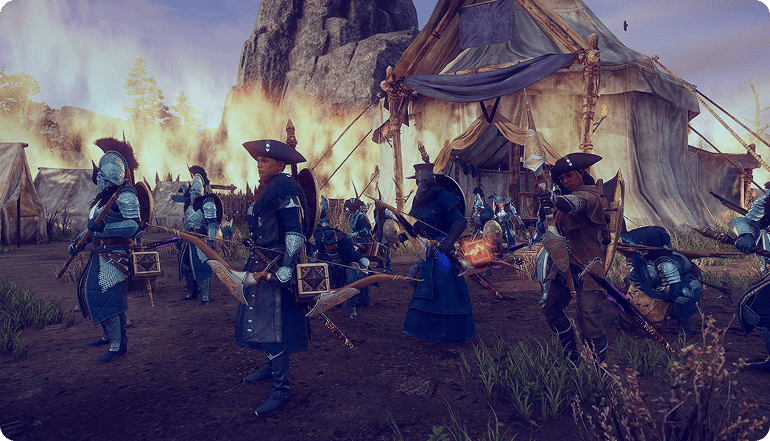


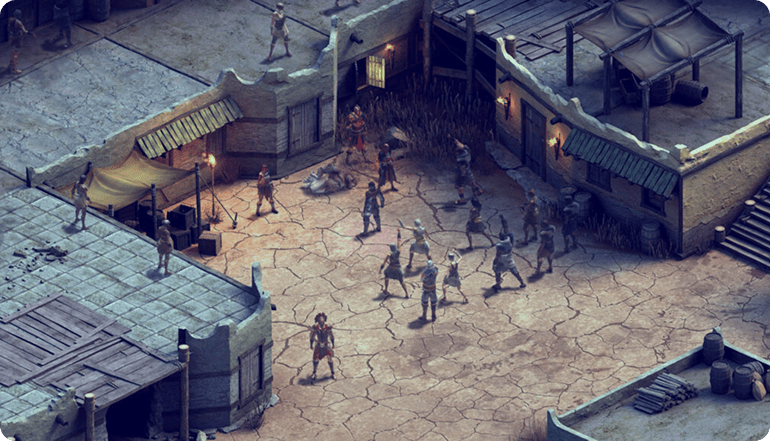

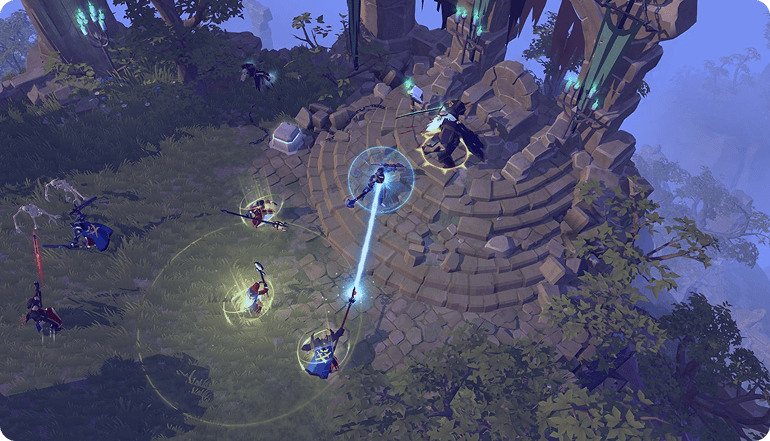
- Blockchain
- Casual
- First-person Shooter (FPS)
- PvE & PvP Battling
- Racing
- Real-time Strategy (RTS)
- Role-playing Game (RPG)
- Survival
- Massively Multiplayer Online Role-Playing Game (MMORPG)
Our Work Flow

Requirement Analysis

Planning & Design

Development

Quality Assurance

Deployment

Maintenance