










Functional Testing
Every mechanic, system, and player action needs to work as intended. LQA tests functional flows to catch gameplay bugs, progression blockers, and other player-impacting defects before release.
- Core gameplay mechanics, rules, objectives, and win/loss conditions
- Quest, mission, level, tutorial, and progression flows
- Save/load behavior, checkpoints, autosave, and game-state recovery
- Inventory, rewards, achievements, unlocks, crafting, skill trees, and economy logic
- Menu, HUD, settings, pause, restart, exit, and navigation behavior
- Crash, freeze, soft-lock, blocker, and reproducibility checks
Compatibility Testing
Each feature works in isolation, but features rarely work alone. Inventory needs to work with crafting. Progression unlocks need to work with level design. LQA ensures all the interconnected pieces function together seamlessly.
- Windows, macOS, Linux, and SteamOS coverage
- Low-end, mid-range, and high-end PC configurations
- CPU, GPU, RAM, storage, driver, laptop, and desktop checks
- Steam, Epic Games Store, Microsoft Store, and custom launcher flows
- Keyboard and mouse, controller, audio device, and peripheral behavior
- Resolution, aspect ratio, scaling, fullscreen, borderless, and multi-monitor checks
Performance & Load Testing
A functional game can still lose players to FPS drops, slow loading, or crashes under pressure. LQA checks the performance conditions that affect stability, responsiveness, and release confidence.
- FPS stability, frame drops, stutter, freezing, and visual hitching
- Loading time, scene transitions, shader compilation, and asset streaming
- CPU, GPU, RAM, VRAM, storage, and thermal-related performance checks
- Long-session stability, memory leaks, crashes, and performance degradation
- Heavy gameplay scenarios with many enemies, effects, objects, or players
- Performance across graphics presets, resolutions, and hardware tiers
Networking Testing
Multiplayer and online PC games depend on stable sessions, matchmaking, backend communication, and recovery flows. LQA tests the network scenarios that can interrupt live gameplay.
- Login, account connection, session handling, and server connection behavior
- Matchmaking, lobby, party, invite, ready-check, and reconnect flows
- Co-op, PvP, cross-play, cross-progression, and online gameplay states when applicable
- Latency, packet loss, weak network, disconnect, timeout, and retry scenarios
- Leaderboards, chat, friends, player profiles, and social features
- Backend response, error messaging, data sync, and interrupted-session recovery
Security & Compliance Testing
PC game releases often involve account systems, online access, platform rules, build security, and player data. LQA checks the security and compliance scenarios that matter most for your release.
- Login, authentication, permissions, and access-control behavior
- Build access, test accounts, restricted environments, and NDA-sensitive workflows
- Payment, inventory, entitlement, DLC, and in-game purchase flows when applicable
- Anti-cheat, exploit-prone flows, abuse cases, and abnormal player behavior checks
- Platform, launcher, age-rating, content guideline, and submission-readiness checks when required
- Error handling, data consistency, audit trail, and sensitive defect reporting
User Acceptance Testing
A PC game isn't release-ready just because it passes individual tests, since it also needs to meet the scope and criteria your team agreed on upfront.
- Release-candidate validation against agreed scope, requirements, and priorities
- Acceptance criteria and sign-off checklist verification
- Confirmation that reported defects are resolved, deferred, or accepted
- Stakeholder walkthroughs, demos, and build reviews to support sign-off
- Final regression pass across core flows before go-live
- Release-readiness summary with a go/no-go recommendation










Hardware Coverage
• Intel & AMD CPUs • NVIDIA, AMD & Intel GPUs • Desktop & Laptop Environments • Various RAM & Storage Configurations • Low-End, Mid-Range & High-End PC Setups

Input & Peripheral Devices
• Keyboard & Mouse • Game Controllers • Steam Deck & Handheld PC Devices (When Needed) • Audio Devices • Common Peripheral Edge Cases

Display & Graphics Settings
• Multiple Screen Resolutions • Windowed, Borderless & Fullscreen Modes • Multi-Monitor Scenarios • Graphics Presets • Aspect Ratio & Scaling Checks

Launchers & Distribution Platforms
• Steam • Epic Games Store • Microsoft Store • Custom Launchers • Build Installers & Update Flows
Client Input

- 1.
- Game build, installer, launcher, or test branch

- 2.
- Game design documents, release notes, known issues, and feature scope
- 3.
- Target platforms, OS versions, hardware requirements, and player segments
- 4.
- Test accounts, backend access, multiplayer access, or staging environment when needed
- 5.
- Priority areas, timeline, bug tracker, and reporting preferences
Step-by-step

Scope alignment and risk review

Test plan and coverage setup

Environment, hardware, account, and tool preparation

Test scenario and checklist design

Functional, compatibility, performance, UI/UX, and regression testing

Retest & Release Review
LQA Output

- Test plan, scope, schedule, and coverage notes
- Test scenarios, checklists, and test data summary
- Device, OS, hardware, environment, and account setup details
- Bug reports with reproduction steps, evidence, logs, severity, and affected flows
- Retest results, regression notes, and unresolved-risk summary
- Final QA report with release recommendations












Game-focused & Context-aware QA Expertise
PC game testing requires more than general software QA. LQA validates gameplay, controls, performance, compatibility, and progression against real game behavior, while aligning with your design intent, release goals, and known issues to catch critical bugs accurately and avoid invalid reports.

Clear Communication & Reporting Workflows
LQA helps reduce timezone and handoff friction through structured communication, clear bug reports, evidence-based documentation, and agreed reporting cycles.

Secure Access For Sensitive Builds
LQA supports controlled access, NDA-based workflows, agreed communication channels, and secure handling of unreleased builds and project data
Scalable & Flexible QA Capacity
Testing needs can spike before launch, during content updates, after patches, or before market expansion. LQA scales QA support and adapts the working model to fit your build stage, scope clarity, timeline, and internal QA bandwidth.
Game-focused & Context-aware QA Expertise
PC game testing requires more than general software QA. LQA validates gameplay, controls, performance, compatibility, and progression against real game behavior, while aligning with your design intent, release goals, and known issues to catch critical bugs accurately and avoid invalid reports.
Clear Communication & Reporting Workflows
LQA helps reduce timezone and handoff friction through structured communication, clear bug reports, evidence-based documentation, and agreed reporting cycles.
Secure Access For Sensitive Builds
LQA supports controlled access, NDA-based workflows, agreed communication channels, and secure handling of unreleased builds and project data
Scalable & Flexible QA Capacity
Testing needs can spike before launch, during content updates, after patches, or before market expansion. LQA scales QA support and adapts the working model to fit your build stage, scope clarity, timeline, and internal QA bandwidth.

Project-based Model
Fixed-scope PC game QA for defined releases, milestones, and deliverables. LQA manages the test cycle so your team can validate gameplay, compatibility, performance, and release risks with less coordination effort.
Best for
- Alpha, beta, soft launch, or full release
- Fixed scope and timeline
- Defined feature coverage
- Teams with limited internal QA bandwidth
Time & Material Model
Flexible QA support based on actual testing needs. LQA adjusts scope, coverage, and team capacity as your build, priorities, release plan, or bug volume changes.
Best for
- Hotfixes and frequent update cycles
- Changing or uncertain scope
- Short-term testing spikes
- Fast-moving release plans

Dedicated QA Capacity Model
A dedicated QA specialist or team works alongside your team for ongoing PC game testing across releases, updates, regression cycles, and market expansion. This model builds deeper product knowledge over time.
Best for
- Long-term game QA support
- Recurring QA demand
- Stable QA ownership across releases
- Titles with continuous updates or LiveOps activity


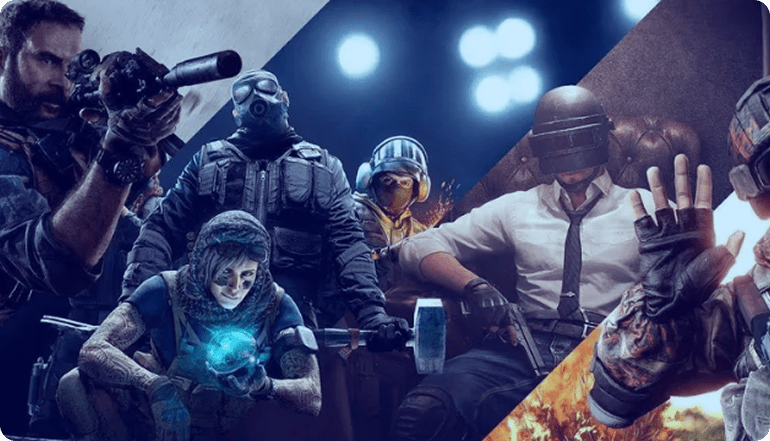
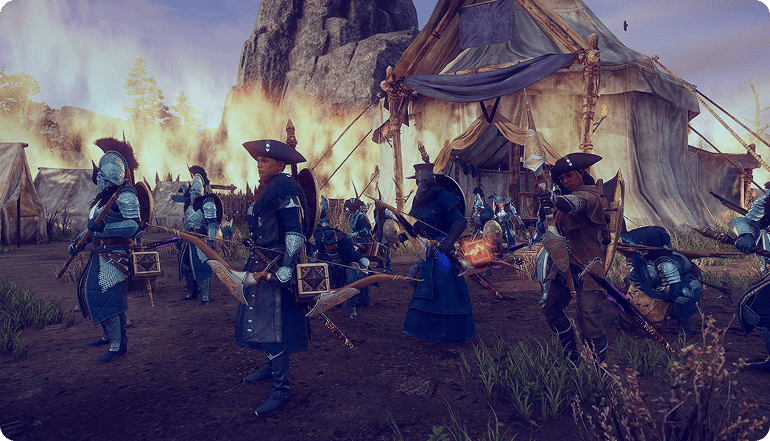


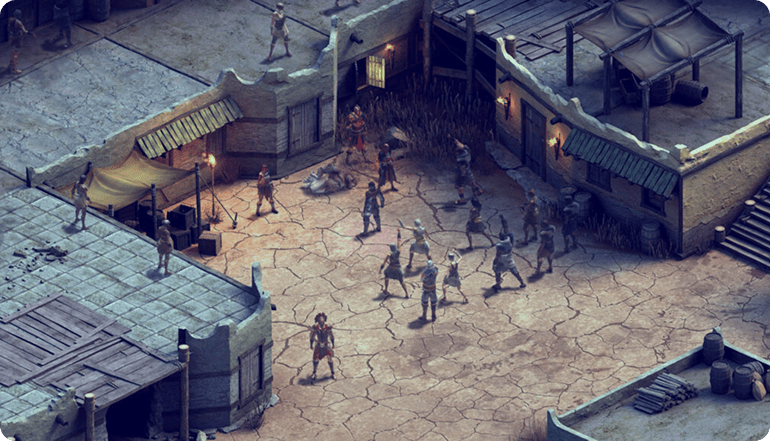

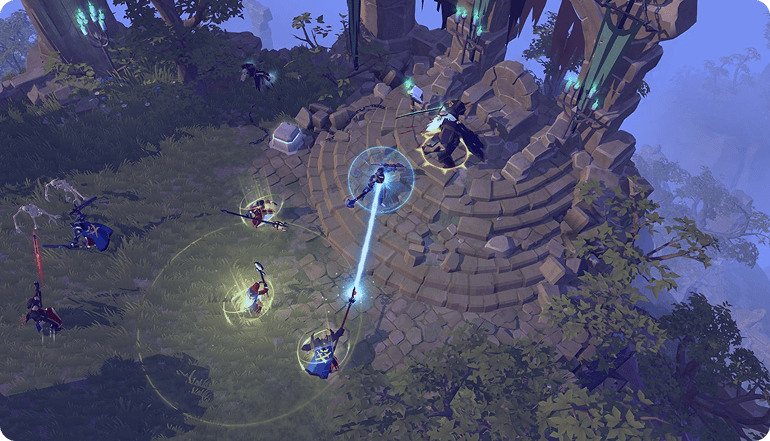
- Blockchain
- Casual
- First-person Shooter (FPS)
- PvE & PvP Battling
- Racing
- Real-time Strategy (RTS)
- Role-playing Game (RPG)
- Survival
- Massively Multiplayer Online Role-Playing Game (MMORPG)